I realized that after being a pre-med for so long, I had lost the ability to discern what is “normal” productivity and what is extreme. I became anxious if I wasn’t spending every minute of my waking existence performing, doing and working towards some goal or project. But once I decided that I was no longer going to pursue medicine and am going to walk away from this path that was predetermined for me by my parents and extended family, I slowly started to realize my addiction and even obsession with productivity.
The illusion of productivity: the cost of seeking validation
I wasn’t working because I wanted to and the goals I was pursuing weren’t exactly meaningful. I worked all the time because I just wanted to be seen as productive—it was the external validation I was craving. In my head, I would always tell myself that from the outside looking in, people will see me as “smart” and “talented” because I am juggling multiple projects at the same time but in reality I was stressed and did not prioritize my health nor my community.
Overworking all the time, never finding the time to rest and seeing rest as something to earn f*cked with my health severely—I was sick often and had recurring high fevers followed by extreme hair loss. I was anxious all the time about running out of time and not being on par with people my age. It was even worse that my self-concept has been so closely intertwined with not who I am as a person but rather what outcomes I can deliver as if I were a machine.
Breaking free from the grind: a new approach to productivity
During this path of deep self-awareness and realization, I reevaluated my habits and my work patterns. I eventually started changing my behaviours where I would do things at a slower pace while prioritizing my community and my health. I took longer breaks between work and would completely shut off work in the evenings and leave my laptop on my desk rather than take it with me to bed. I worked out regularly and became more mindful of my food choices, opting for healthier options. Now that I wasn’t so obsessed with work, I rarely cancelled plans with my partner or friends and in fact started planning events at my house inviting them to spend quality time.
The results were amazing. I felt more rested than I have ever been in my entire life! I became less anxious, less sad and extremely grateful to be on this planet and to just exist. I forgot less which is unusual for me since I forget anything that isn’t related to work. I had more energy. F*ck, I even got less sick than I usually do—which is pretty crazy considering I have an autoimmune disorder!
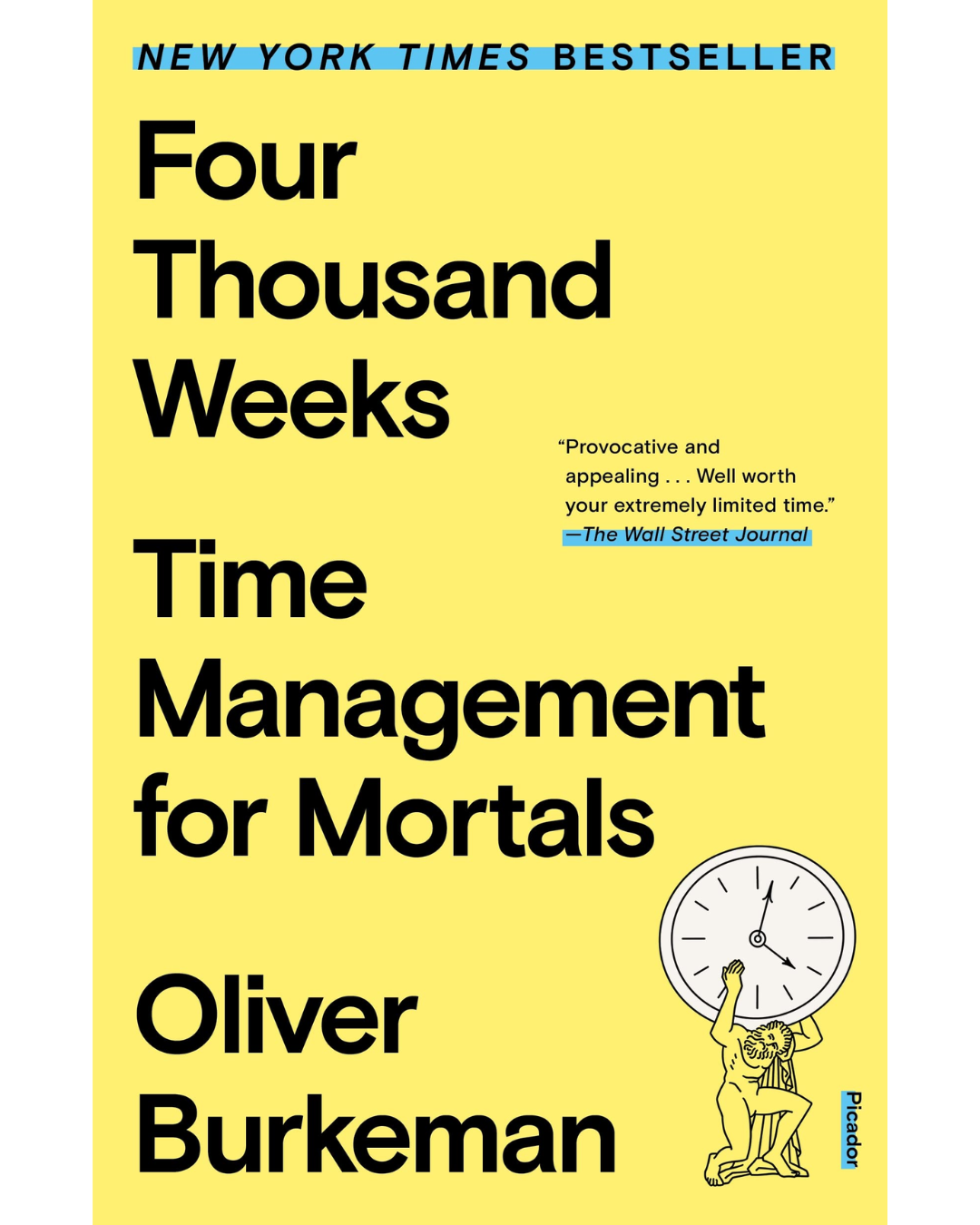
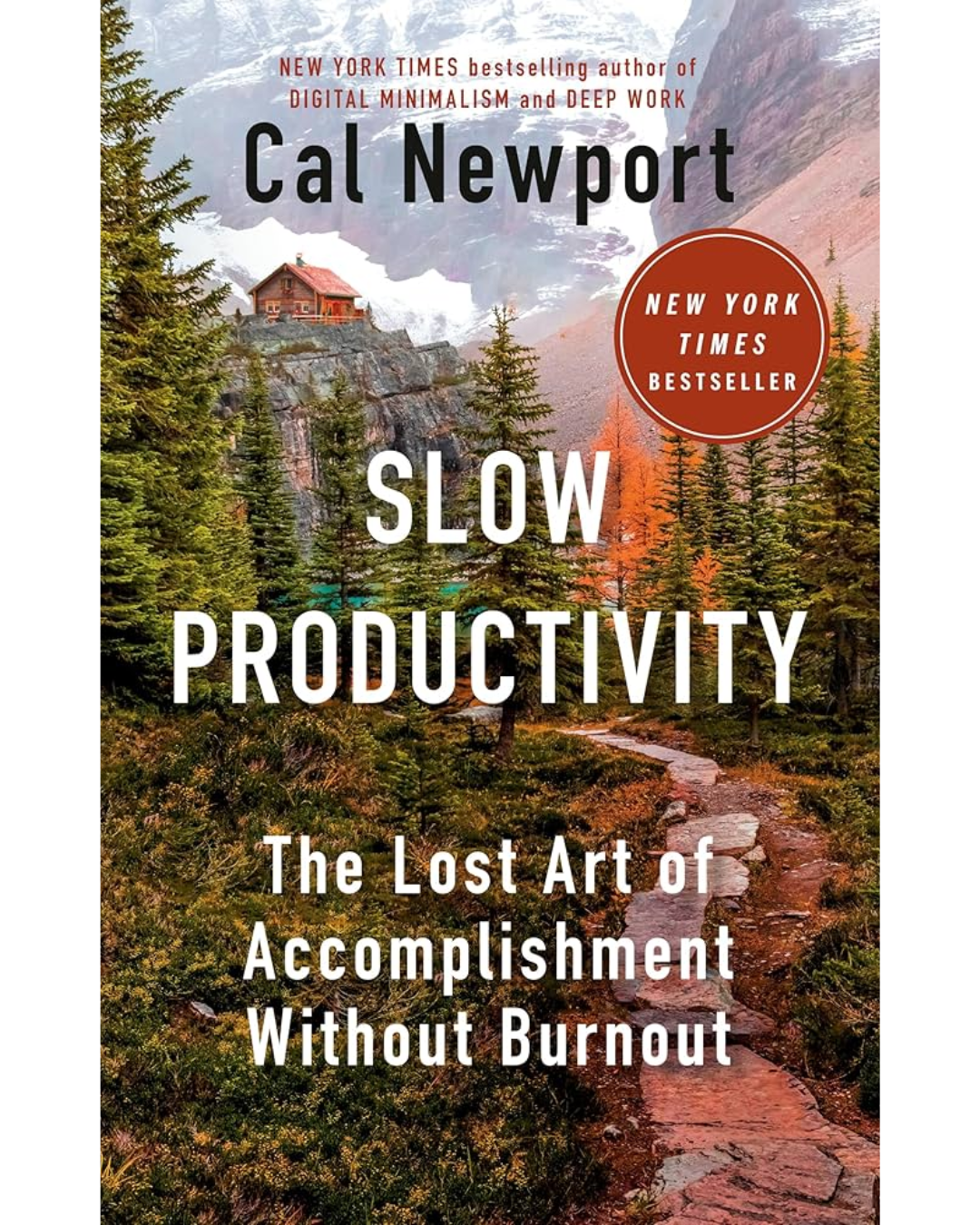
One day, when my brother was home for the holidays, he asked to go to Indigo (a bookstore chain here in Canada). There, tucked away at the very bottom of the shelf, I found two books that seemed to call out to me. And yes, you can guess under what section—self-help and productivity! I finally found the name for the kind of lifestyle change and mental shift I was currently embarking on—the authors called it soft productivity!
The two books that changed how I view productivity:
What is soft productivity?
It’s about focusing on fewer tasks and doing them well, at your own pace while having self-compassion when things don’t go as you planned.
This works for developing habits, learning a new skill, building a small business, creating content, embarking on a fitness journey, learning how to cook, etc.
How to embrace soft productivity?
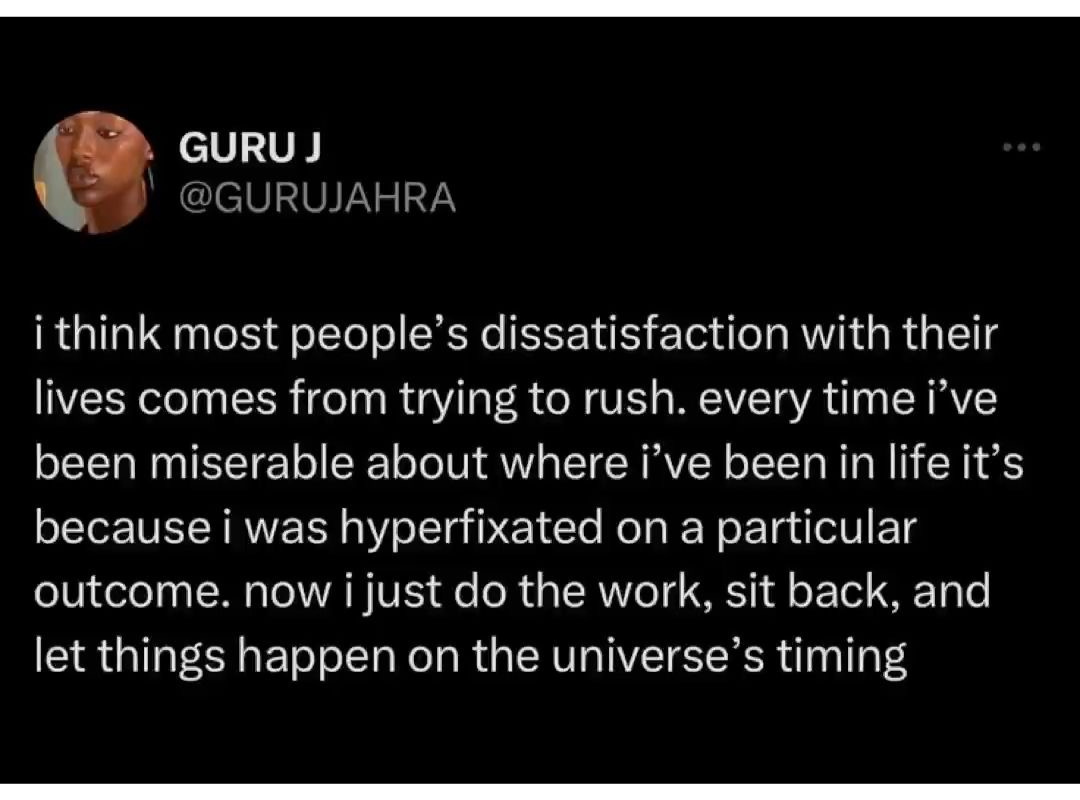
A lot of us have been fed this MYTH that having an insanely long to-do list means we’re getting SH*T done.
And that being seen as busy means you’re being productive when we know that:

Soft productivity helps you:
- Avoid burnout,
- Enjoy the process of working on long-term goals and
- Stay consistent or even better focus on continuity over time instead of motivation.
Slow & Steady
"little by little the bird builts its nest"
How to embrace soft productivity?
1. Commit to things that align with you.
Try to set simple goals.

2. Adjust your expectations.
Plan daily based on your energy levels.
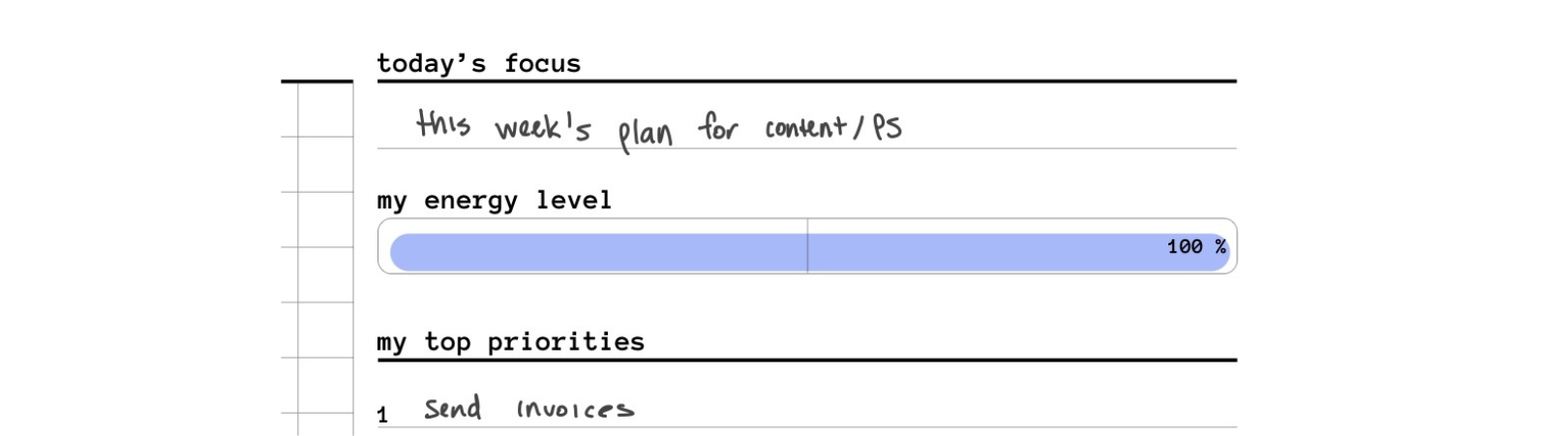
3. Take small steps.
You can’t launch a shop, write a research paper or make a business plan in a couple of days so approach things slowly and start from what feels easy.
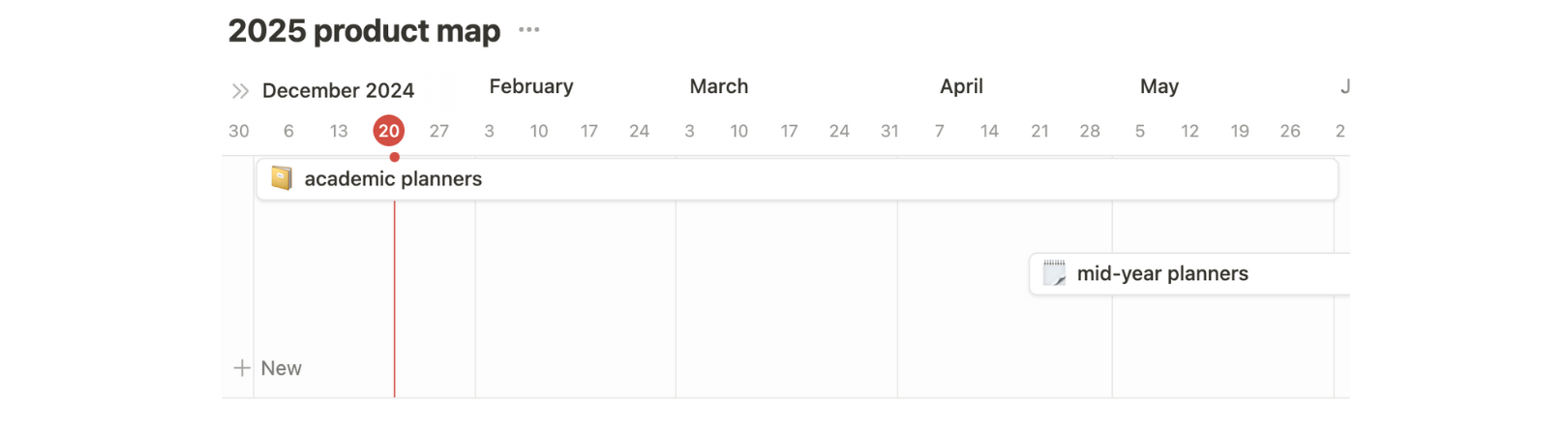
4. Be mindful of the things you pursue.
Say NO when your plate is full.
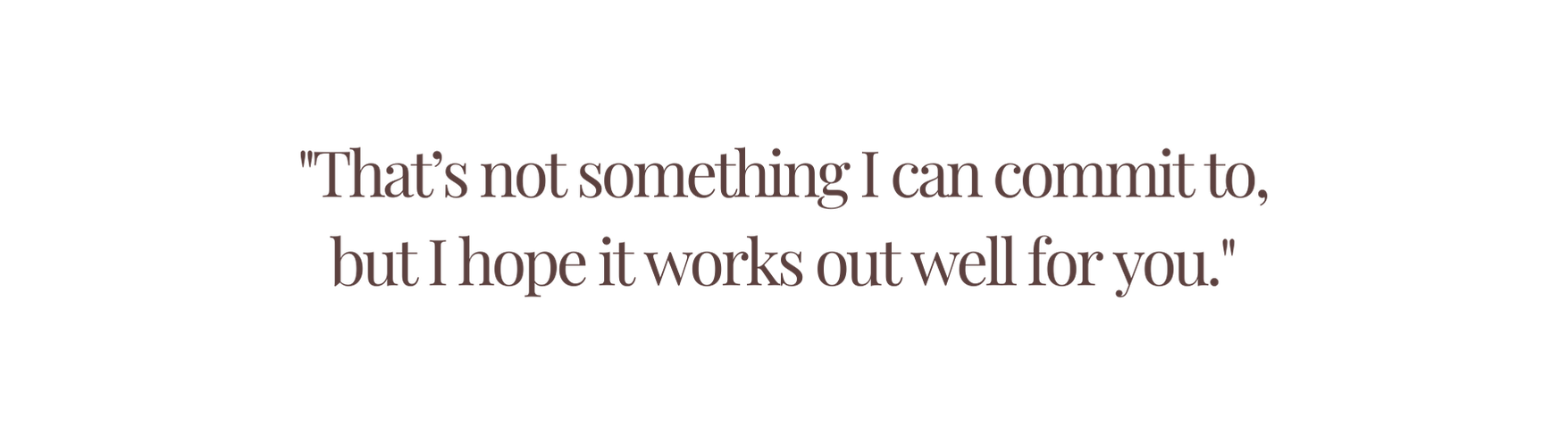
5. Rest guilt-free.
Don’t think of rest as something you need so you can be more productive but something fundamental to your life.

Note: soft productivity is a privilege!
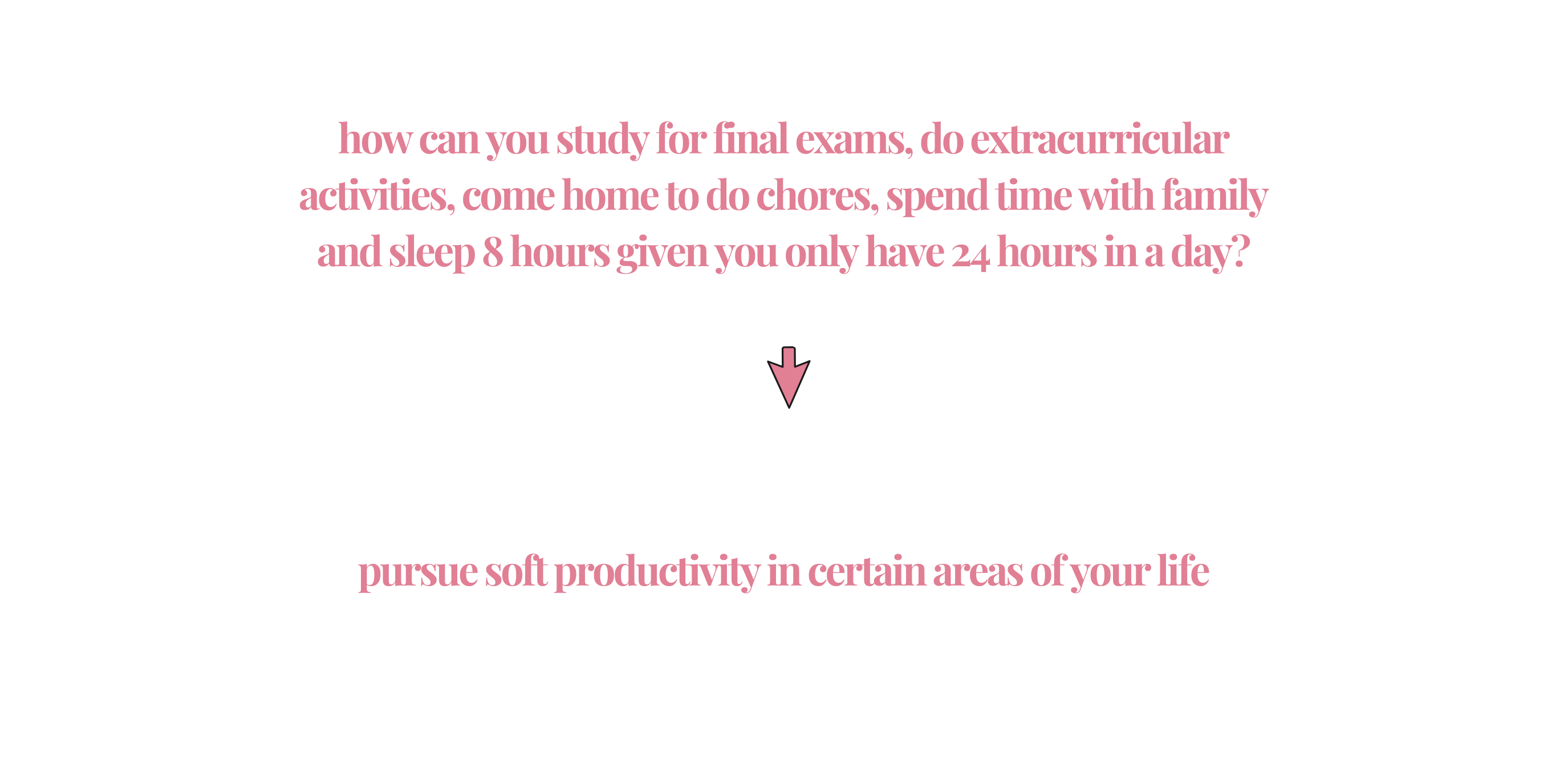
Pursuing soft productivity is undoubtedly a privilege, especially for those balancing school, a demanding job with strict deadlines, or a busy lifestyle.
However, it’s in these very situations that applying soft productivity to other areas of your life—such as fitness, passion projects, or hobbies—becomes even more valuable. It allows you to practice self-compassion and release the guilt that comes with striving to meet unrealistic expectations tied to productivity.