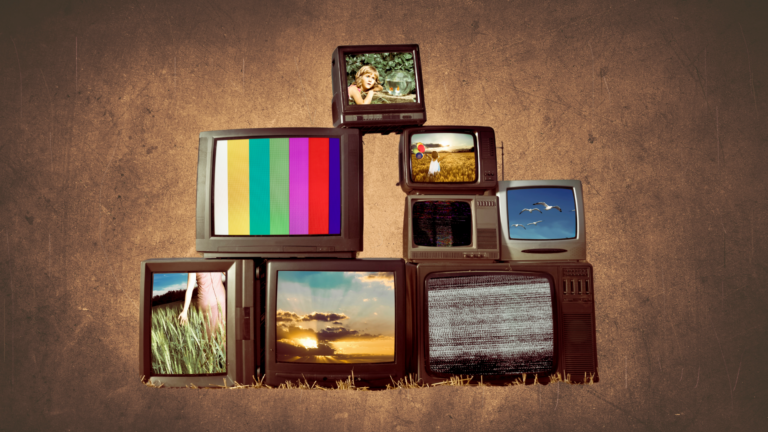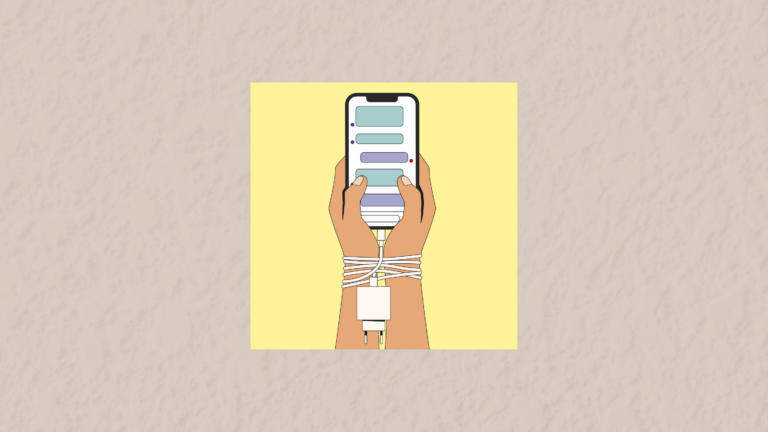
Ads existed before you nor I was born. Marketing has been around for a very long time but it has never been as pervasive, intrusive and calculated as it has been in the past decade. I grew up seeing Coca Cola ads on TVs, billboards, bus stands, newspapers and magazines but these days I am pushed to see the very same ads from the comfort of my bedroom in my double bed at 2 AM in the morning as I doom scroll with my dog by my side. How? Because social media apps that once served as a way for us to connect with our communities have now turned into advertising machines paid to show us these ads while we’re in our PJs—some have even gone to the extent of monetizing our data by selling it to third parties. Cough, cough…Facebook/Meta!
Everywhere we turn on social media, from the For-You-Page (fyp) to in-feed posts and even between stories—all we see are ads! What do all these ads have in common? They prompt us to buy things—many of which we don’t actually need! This culture of constant buying has led to overconsumption.
What is overconsumption?
Overconsumption is the act of using or purchasing more resources, products, or goods than are necessary or sustainable—Google.
Surveys on consumer behaviour indicate that

What overconsumption in the name of self-care can look like?
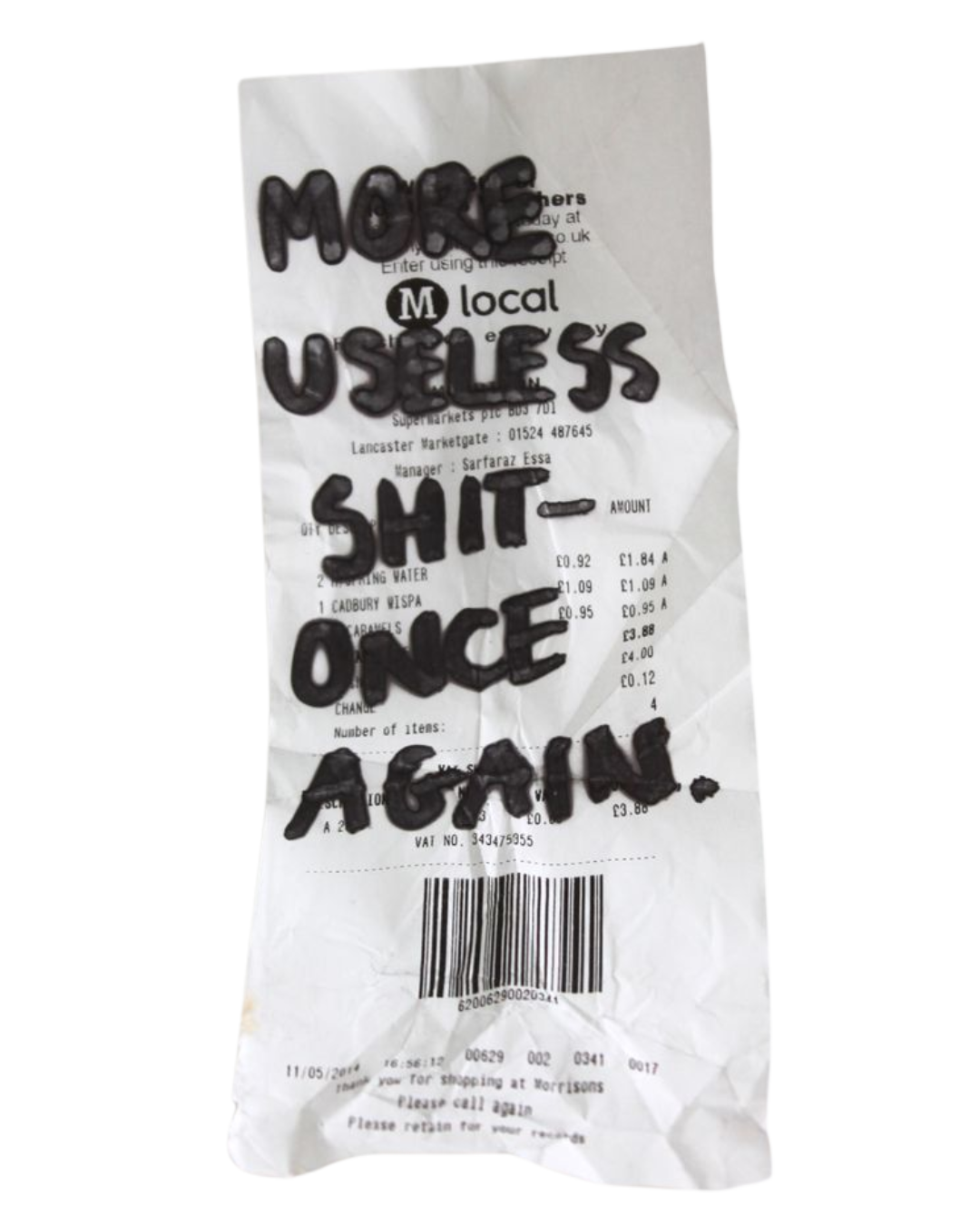
- Ordering trendy home decor we don’t need, just to “refresh our space” for a fleeting dopamine hit.
- Buying outfits for the “aesthetic” to get the perfect IG pic but never wearing them out of the house after that—I’m so guilty of this!
- Stocking up on makeup we rarely use because we’re chasing our favourite influencer’s perfect routine.
- Hoarding skincare products we don’t finish because an influencer called them “holy grails.”
Note: These examples come from my personal life as a woman and my immediate community who are majority women. While they may sound gender-specific, they’re simply reflections of my experiences. Overconsumption can take many forms and is something anyone can relate to in their own way.
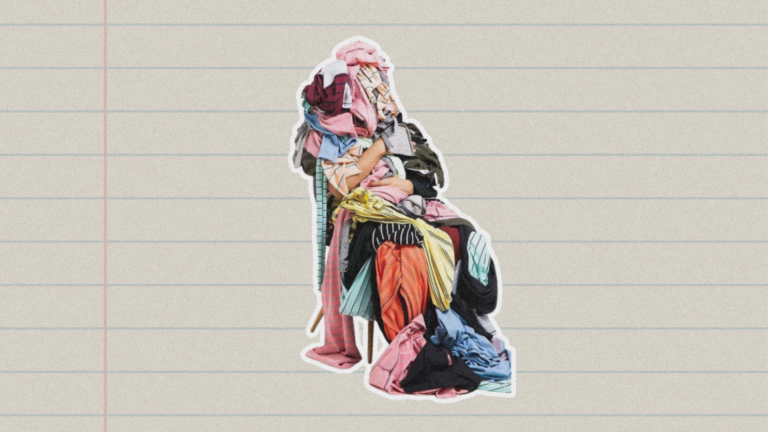
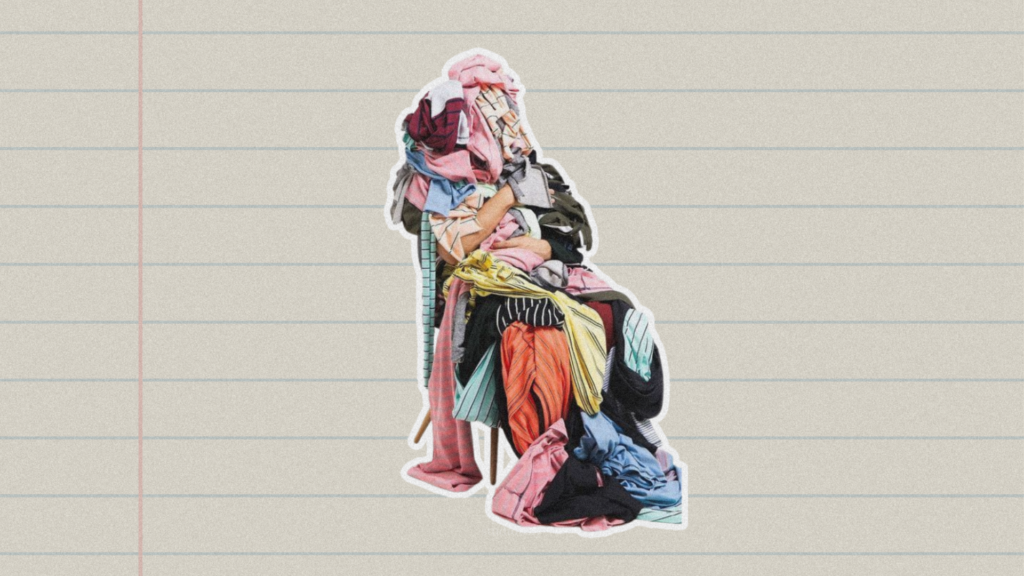
But at the end of overconsumption what we’re left with is
burnout, clutter and emptiness.
The concept of self-care
The emergence of the term “self-care”—although very recent, has had its roots in many ancient cultures including Ayurvedic Indian, Traditional Chinese Medicine and Ancient Roman societies. Eventually, in the 20th Century, the term “self-care” began to take a more definite shape when it was used in healthcare settings referring to how patients should take care of themselves. Further, psychologists like Carl Rogers and Abraham Maslow began describing self-care as part of their theories about “self-concept” and “self-actualization” within the parameters of mental health and behavioural therapy.
However, “self-care” as we know now—something that is trendy, overly commercialized and even exploited by the beauty and wellness industry—hasn’t always been such a buzzword. During the Civil Rights and Feminist Movements in the 1960s and 70s, it was seen as a political act. Activists like Audre Lorde have claimed, “Caring for myself is not self-indulgence, it is self-preservation, and that is an act of political warfare.”
I must say that the current distortion of what self-care has become is disappointing. Social media has found its way to commodify the term into a billion-dollar industry and has roped in influencers as the tools to which they prompt us consumers to buy into self-care.
How does social media & influencers distort self-care?
1. Sorry, you can pick only one: aesthetics or authenticity!
I don’t know when I began to look for aesthetically pleasing things but I think being on social media since I was a teenager has clouded my perception of beauty. Sometimes, I wonder if I truly value the things I purchased in the past or did I buy them because they looked aesthetically pleasing. I think as human beings, it’s natural for us to look for the beauty in things but self-care is now being portrayed as luxurious bubble baths, curated skincare fridges, and designer workout sets and this is not normal nor should it be. Clearly, the focus has shifted from feeling good about our purchases to looking good for the camera (e.g., restock videos).
2. Consumerism has taken over connection.
I remember the days when people would rightfully bash fitness influencers for selling Fit Teas. These celebrities and influencers had millions of followers. Now, even micro influencers are telling us to buy something and the social media apps that were once used to connect us with our community have become shopping websites instead. Also, the irony isn’t lost on me that I am one of these influencers. Every time I work with a brand, I am promoting consumption. I am working on how I can make an income without promoting things to buy but I currently don’t have a proper answer. Many influencers tie self-care to endless “must-haves”—from $200 candles to the latest trending gadgets. Instead of promoting practices that nurture the soul, they encourage overconsumption in the name of “treating yourself”.
3. The pressure to keep up is real.
When scrolling through Instagram or TikTok, it’s easy to find countless curated morning routines featuring perfect white bedding, matcha lattes, and faultlessly arranged journaling setups. And in my case as a content creator, it’s my blue bedding, iced americanos and my digital planner setups. While these visuals can be inspiring, they can also create unrealistic expectations of what someone’s space should look like. Following trends and certain aesthetics can put us in a box which we further feed into by constantly buying and upgrading to fit aesthetics like the “IT GIRL Era” “Soft Girl Aesthetic” and “Pink Pilates Princess“—this then fuels overconsumption. Self-care doesn’t have to look aesthetically pleasing, expensive nor trendy for it to be effective. Doing your homework in a messy bun on a cluttered desk in your worn-out pjs is also self-care.
4. Would you rather have fleeting joy over long-term wellness?
As a society, we are tired. We want joy and more than joy, we want rest. We want the rat race to end but it never does. Social media exploits this human need through short-term dopamine hits—to get us happy for a short period with a purchase and wait for that dopamine to fade so that we can be shown a new item to buy, leaving us with cluttered spaces and emptier bank accounts. Social media self-care trends often prioritize quick fixes over sustainable habits. We should stop confusing numbing with nourishing ourselves.
It All Comes Down to Capitalism.
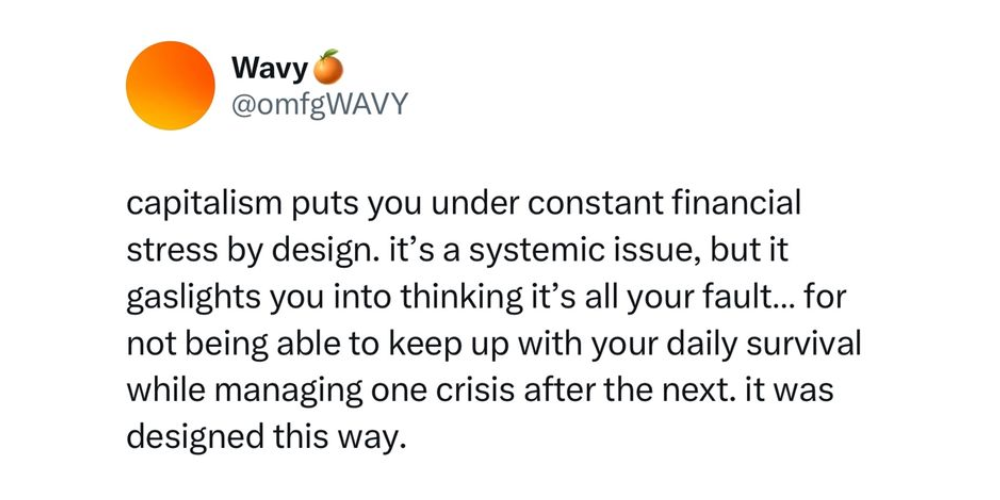
Capitalism sells us “quick fixes” for happiness.
Social media glorifies indulgence without boundaries.
To reclaim self-care, we must redefine it on our own terms. Self-care is not about looking good for social media—it’s about feeling good about our own life. It’s about recognizing when we need rest, setting healthy boundaries, engaging in activities that bring us joy, caring for ourselves and the people in our community without seeking validation from others.
So, what's the answer? It's time to redefine self-care in 2025!
My next blog post discusses in detail about how we can reimagine self-care in 2025. Read it here!